
Metabolic conditioning is a type of exercise that focuses on improving the body's ability to efficiently use energy and burn calories. It differs from traditional cardio workouts in that it incorporates a combination of high-intensity exercises and strength training movements. While traditional cardio workouts primarily focus on cardiovascular endurance, metabolic conditioning aims to improve overall fitness by targeting multiple energy systems in the body. This type of training often involves short bursts of intense exercise followed by periods of rest or lower intensity activity, which helps to increase the body's metabolic rate and improve overall conditioning.
There are several common exercises used in metabolic conditioning routines. These exercises typically involve compound movements that engage multiple muscle groups and require a high level of effort. Some examples include burpees, kettlebell swings, box jumps, battle ropes, and sled pushes. These exercises are often performed in a circuit or interval format, where participants move quickly from one exercise to the next with minimal rest in between. This helps to keep the heart rate elevated and maximize calorie burn.
Volume, frequency, and load all factor into a successful resistance training program. Many personal training clients ask how often they should work out, how intensely,… The post What Is the Optimal Training Volume and Intensity for Strength Gains? Is More Actually Less? appeared first on National Federation of Professional Trainers.

Posted by on 2024-02-22
As we step into 2024, the fitness industry landscape continues to evolve, and with it comes the question: How much are personal trainers making in… The post How Much Do Personal Trainers Make? A Breakdown of Recent Industry Reports and Trends appeared first on National Federation of Professional Trainers.

Posted by on 2024-02-12
Meet Stacey Mercure, a passionate fitness enthusiast with a remarkable journey spanning 21 years as a dedicated NFPT trainer. At the age of 53, she… The post Stacey Mercure–NFPT Personal Trainer Spotlight appeared first on National Federation of Professional Trainers.

Posted by on 2024-01-28
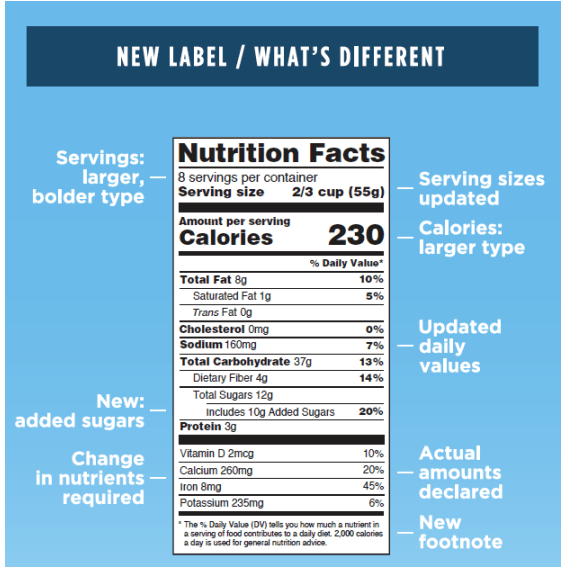
Nutrition plays a pivotal role in achieving fitness goals, and understanding how to read a nutrition facts panel is a crucial skill for anyone on… The post Reading Nutrition Labels: Guiding Personal Training Clients Through Recent Changes appeared first on National Federation of Professional Trainers.
Posted by on 2024-01-23
The term "collateral damage" is typically a military term, one that denotes unintended damage to an area around a target. But as it applies to resistance training, collateral damage can be a good thing. The post Collateral Vascular Damage: A Good or Bad Thing For Building Muscle? appeared first on National Federation of Professional Trainers.
Posted by on 2024-01-16
Metabolic conditioning can be highly effective for both fat loss and muscle building. The high-intensity nature of these workouts helps to increase the body's metabolic rate, leading to greater calorie burn both during and after the workout. This can contribute to fat loss and improved body composition. Additionally, the combination of strength training movements in metabolic conditioning routines helps to build lean muscle mass. This can lead to increased strength, improved muscle definition, and a higher resting metabolic rate, which further supports fat loss.

Yes, metabolic conditioning can be modified to accommodate different fitness levels and goals. The intensity, duration, and complexity of the exercises can be adjusted to suit individual needs. Beginners may start with lower intensity exercises and shorter work periods, gradually increasing the intensity and duration as they progress. Likewise, individuals with specific goals, such as muscle building or endurance training, can tailor their metabolic conditioning workouts to focus on those areas. It is important to consult with a qualified fitness professional to ensure proper form and appropriate modifications are made.
While there are no specific dietary recommendations exclusive to metabolic conditioning, a well-balanced diet that supports overall health and fitness is important. This includes consuming a variety of nutrient-dense foods, such as lean proteins, whole grains, fruits, vegetables, and healthy fats. It is also important to stay properly hydrated before, during, and after workouts. Additionally, individuals looking to optimize their performance and recovery may benefit from consuming a combination of carbohydrates and protein before and after their metabolic conditioning workouts.
The frequency of incorporating metabolic conditioning into a fitness routine can vary depending on individual goals and overall fitness level. For most individuals, incorporating metabolic conditioning workouts 2-3 times per week can be effective. This allows for adequate recovery between sessions while still providing enough stimulus to improve fitness and achieve desired results. However, it is important to listen to your body and adjust the frequency as needed to prevent overtraining and avoid injury.
As with any form of exercise, there are potential risks and precautions to consider when performing metabolic conditioning exercises. Due to the high-intensity nature of these workouts, there is an increased risk of injury if proper form and technique are not maintained. It is important to start with a proper warm-up and gradually increase the intensity and complexity of the exercises. Additionally, individuals with pre-existing medical conditions or injuries should consult with a healthcare professional before starting a metabolic conditioning program. It is also important to listen to your body and take rest days as needed to allow for proper recovery and prevent overuse injuries.
Personal training provides numerous benefits for individuals with sedentary lifestyles. Firstly, it offers tailored exercise programs that are specifically designed to address the needs and limitations of sedentary individuals. These programs typically include a combination of cardiovascular exercises, strength training, and flexibility exercises, which help improve overall fitness levels and reduce the risk of chronic diseases such as obesity, diabetes, and heart disease. Additionally, personal trainers provide guidance and support, ensuring that individuals with sedentary lifestyles perform exercises with proper form and technique, minimizing the risk of injury. They also offer motivation and accountability, helping individuals stay consistent with their exercise routine and achieve their fitness goals. Moreover, personal trainers can provide valuable advice on nutrition and lifestyle changes, helping individuals adopt healthier habits and improve their overall well-being. Overall, personal training is a valuable resource for individuals with sedentary lifestyles, offering them the guidance, support, and motivation they need to lead a more active and healthy life.
Personal training addresses specific dietary needs and preferences by tailoring nutrition plans and meal recommendations to meet the unique requirements of each individual. A skilled personal trainer takes into account factors such as age, gender, body composition, activity level, and health conditions to create a customized diet plan that optimizes nutrition intake. They consider dietary restrictions, allergies, and food preferences to ensure that the client's dietary needs are met while also promoting adherence to the plan. Additionally, personal trainers may provide guidance on portion control, meal timing, and supplementation to further support the client's specific dietary goals. By taking a comprehensive approach to nutrition, personal training effectively addresses and accommodates the specific dietary needs and preferences of each client.
Personal training can greatly enhance the performance of martial artists and fighters. By engaging in a tailored training program, individuals can improve their strength, agility, speed, and endurance, all of which are crucial for success in combat sports. A skilled personal trainer can design workouts that incorporate specific martial arts techniques, such as striking, grappling, and defensive maneuvers, allowing fighters to refine their skills and develop muscle memory. Additionally, personal training can focus on improving flexibility, balance, and coordination, which are essential for executing complex movements and avoiding injuries. Through personalized guidance and motivation, personal training can push martial artists and fighters to reach their full potential and excel in their chosen discipline.
Personal training can effectively accommodate individuals with specific phobias or anxieties by employing various strategies tailored to their unique needs. Firstly, trainers can create a safe and supportive environment that fosters trust and understanding, allowing clients to feel comfortable and secure during their sessions. Additionally, trainers can utilize exposure therapy techniques, gradually exposing clients to their fears or triggers in a controlled and gradual manner, helping them build resilience and overcome their anxieties. Moreover, trainers can incorporate relaxation techniques such as deep breathing exercises or mindfulness practices to help clients manage their anxiety symptoms during training sessions. By employing these personalized approaches, personal trainers can effectively support individuals with specific phobias or anxieties on their fitness journey, ensuring a positive and empowering experience.
Personal training for seniors offers numerous benefits that can greatly improve their overall health and well-being. Firstly, it helps seniors maintain and improve their physical strength, flexibility, and balance, which are crucial for preventing falls and injuries. Additionally, personal training can help seniors manage chronic conditions such as arthritis, osteoporosis, and heart disease by providing tailored exercises and guidance. Moreover, it promotes cognitive function and mental well-being by incorporating activities that stimulate the brain and improve memory. Furthermore, personal training sessions provide a social aspect, allowing seniors to interact with others and combat feelings of loneliness and isolation. Lastly, personal trainers can offer personalized guidance and motivation, ensuring that seniors stay committed to their fitness goals and maintain a healthy lifestyle.
Personal training can indeed help individuals improve immune function. Regular exercise has been shown to have a positive impact on the immune system, as it helps to increase the production of antibodies and enhance the activity of immune cells. Additionally, personal trainers can provide guidance on proper nutrition and lifestyle habits that can further support immune health. By incorporating specific exercises that target the immune system, such as aerobic activities, strength training, and flexibility exercises, individuals can strengthen their immune response and reduce the risk of infections and illnesses. Furthermore, personal trainers can also help individuals manage stress levels, as chronic stress can weaken the immune system. Through personalized training programs and expert guidance, personal trainers can play a crucial role in improving immune function and overall health.